Category: technology
-

Real-Time Energy Analytics for Steel, Cement, and Process Plants
Energy is more than an operating expense in modern industrial plants—it is a critical performance indicator. Steel mills, cement plants, chemical facilities, foundries, and other process industries operate energy-intensive equipment continuously. Furnaces, kilns, mills, compressors, pumps, motors, fans, conveyors, and cooling systems can consume significant amounts of electricity and fuel. For plant leaders, however, simply…
-

Real-Time Conveyor Monitoring for Mining and Bulk Material Handling
In mining and bulk material handling operations, conveyor systems play a critical role in moving large volumes of material efficiently. From coal and minerals to limestone, aggregates, cement, and other bulk materials, conveyors often operate continuously under demanding conditions. A conveyor breakdown, material spillage, belt misalignment, or unexpected blockage can quickly affect the entire material-handling…
-

The Hidden Cost of Operating Without Industrial Analytics
In today’s highly competitive manufacturing landscape, data is one of the most valuable assets an organization possesses. Every machine, sensor, production line, and process generates valuable information that can improve efficiency and profitability. However, many manufacturers still rely on manual reporting or disconnected systems, leaving critical operational data underutilized. Operating without industrial analytics may seem…
-

How to Detect Machine Failure Before It Impacts Production
In today’s fast-paced manufacturing environment, unplanned machine downtime is one of the biggest threats to productivity and profitability. A single equipment failure can halt production lines, delay deliveries, increase maintenance costs, and reduce customer satisfaction. The good news is that with modern industrial technologies, businesses no longer have to wait for machines to fail before…
-

How Truck Volume Detection Improves Material Handling Accuracy
In industries such as mining, construction, cement, steel, logistics, and waste management, accurately measuring the volume of materials transported by trucks is critical for efficient operations. Traditional methods of estimating truck loads often rely on manual inspections, weighbridges, or visual approximations, which can lead to inconsistencies, delays, and revenue losses. With advancements in Artificial Intelligence…
-

How Indian Manufacturers Can Start Small and Scale Smart With AI
Artificial Intelligence (AI) is no longer a technology reserved for large multinational corporations. Today, manufacturers of all sizes—including small and medium-sized enterprises (SMEs) in India—can leverage AI to improve productivity, reduce costs, and make smarter business decisions. The misconception that AI requires massive investments often prevents businesses from taking the first step. In reality, successful…
-

How Truck Volume Detection Improves Material Handling Accuracy
In industries such as mining, construction, logistics, and manufacturing, accurate material handling is critical for operational efficiency and profitability. Even small inaccuracies in measuring transported materials can lead to inventory mismatches, increased operational costs, delivery disputes, and reduced productivity. This is where truck volume detection technology is transforming modern industrial operations. Truck volume detection systems…
-

How AI-Powered ANPR Improves Industrial Gate Security
In today’s fast-paced industrial environments, securing entry and exit points is more critical than ever. With increasing vehicle movement—ranging from supplier trucks to employee vehicles—traditional gate management systems often struggle to maintain both efficiency and security. AI-powered Automatic Number Plate Recognition (ANPR), as highlighted in solutions like the TFrenzy ANPR catalog, is transforming how industries…
-
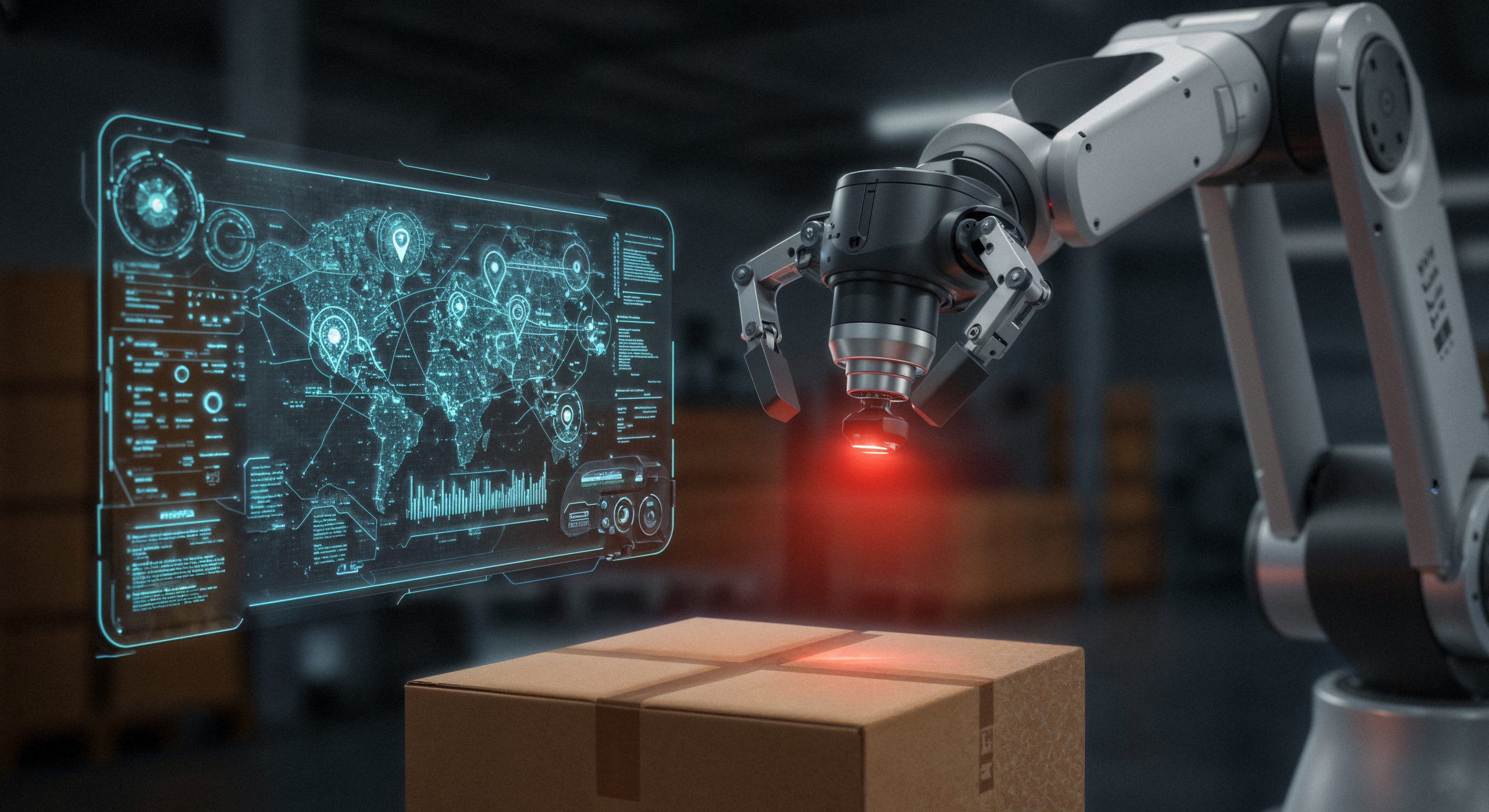
How Smart Manufacturing Improves Margins Without Major Disruption
In today’s competitive industrial landscape, manufacturers are under constant pressure to improve profitability while maintaining quality and efficiency. However, many organizations hesitate to adopt new technologies due to concerns about high costs, operational disruption, and complex implementation. The good news is that smart manufacturing offers a practical path to improving margins—without the need for large-scale…
-
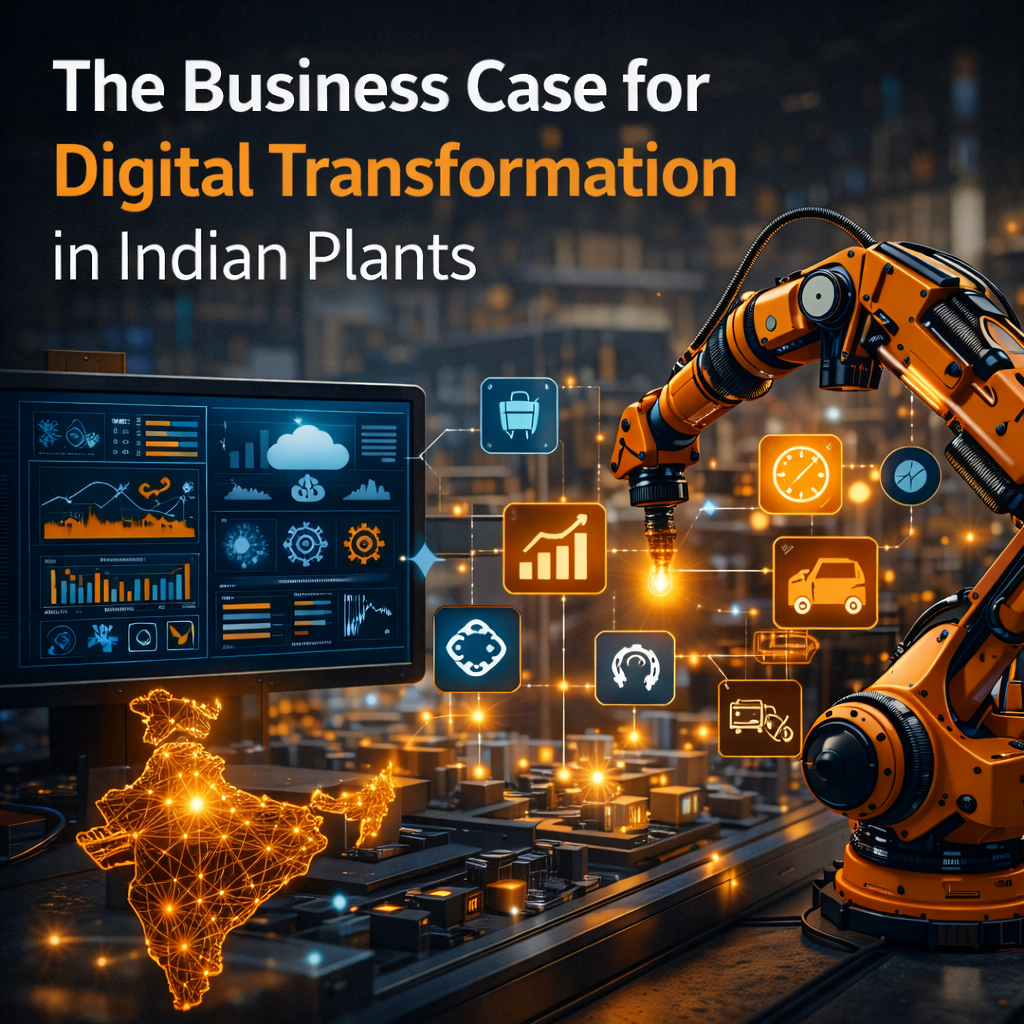
The Business Case for Digital Transformation in Indian Plants
India’s manufacturing sector is at a critical inflection point. As global competition intensifies and customer expectations evolve, traditional production models are no longer sufficient to sustain growth. To remain competitive, Indian plants must embrace digital transformation—the integration of advanced technologies such as Artificial Intelligence (AI), Industrial IoT (IIoT), cloud computing, and data analytics into manufacturing…